
The World At Play: Baseball, Identity, and the World Baseball Classic
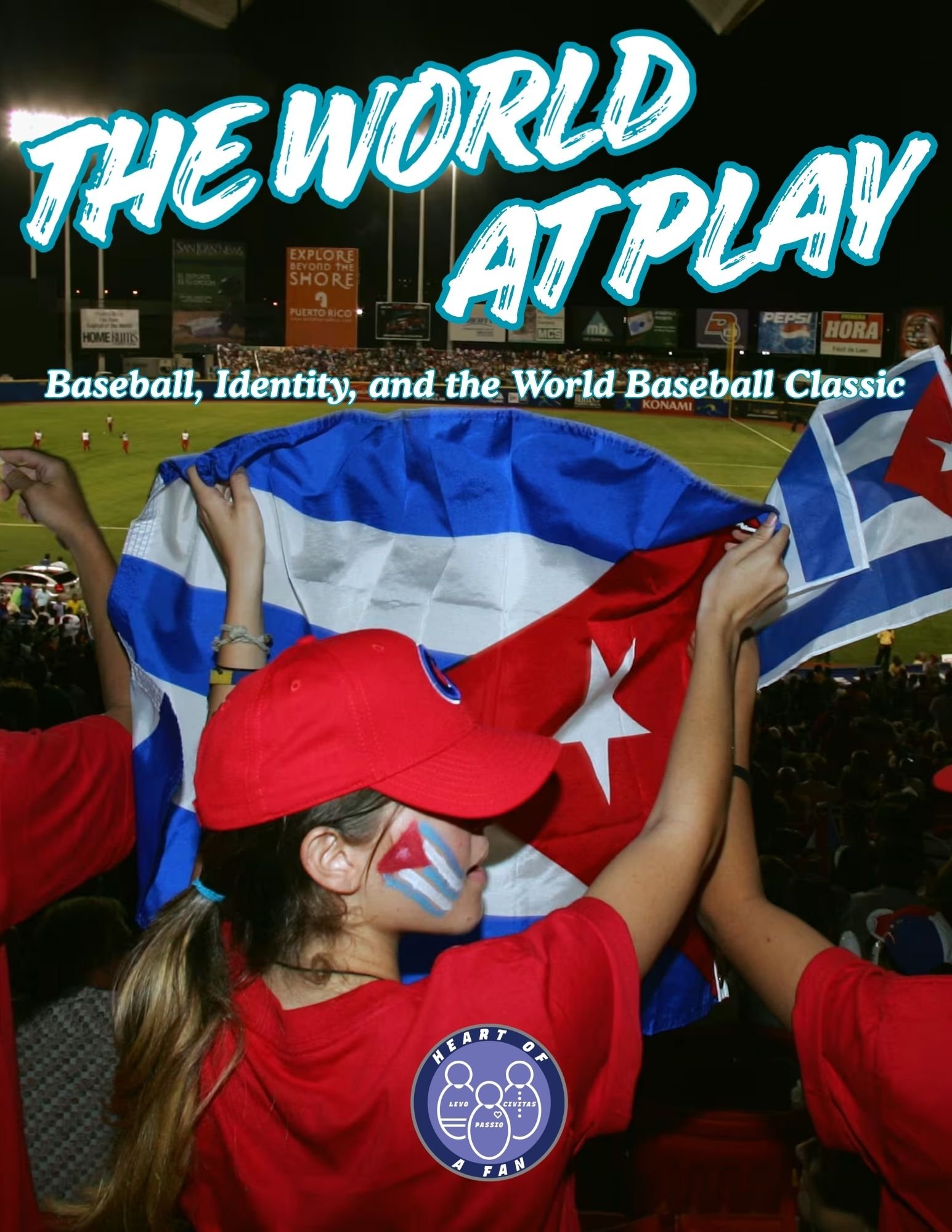


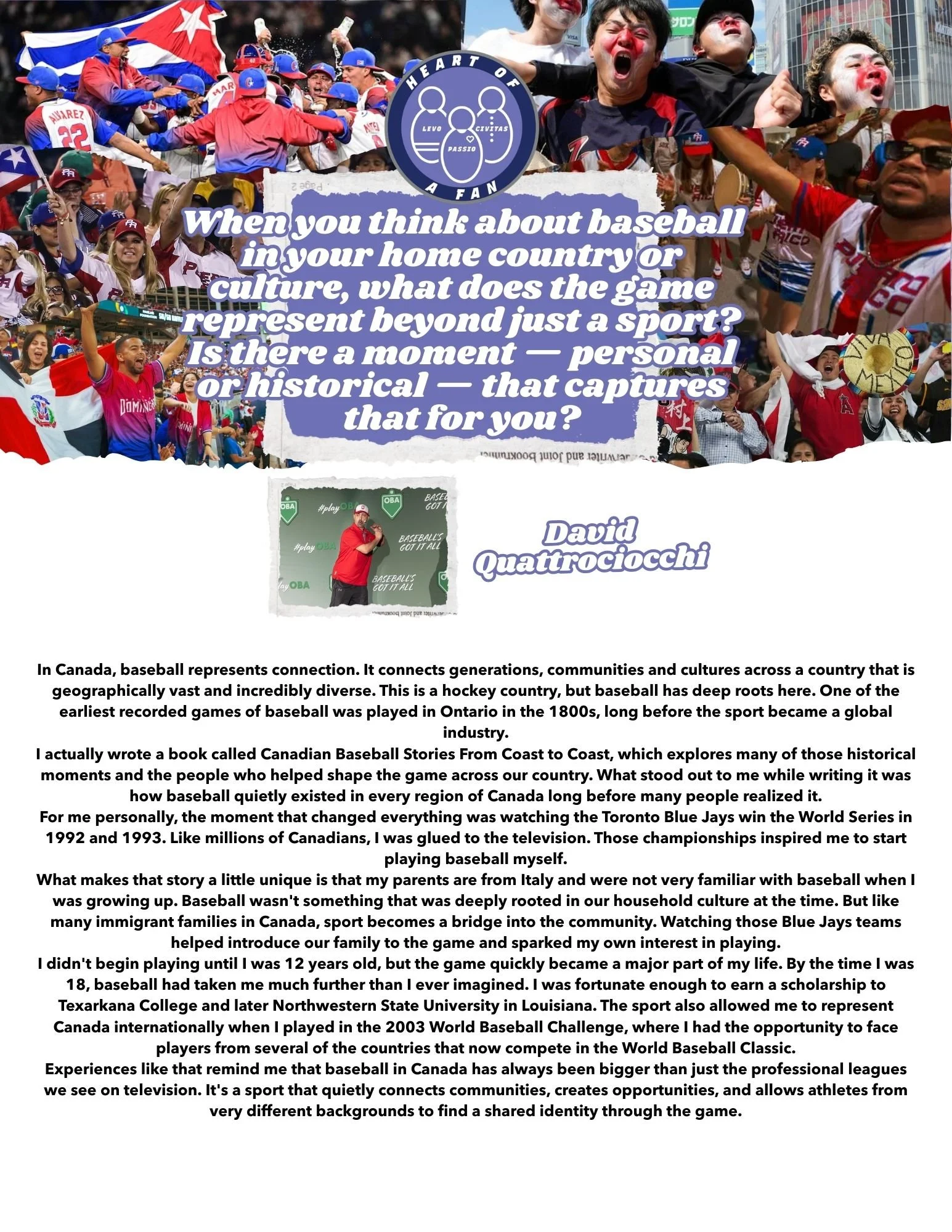

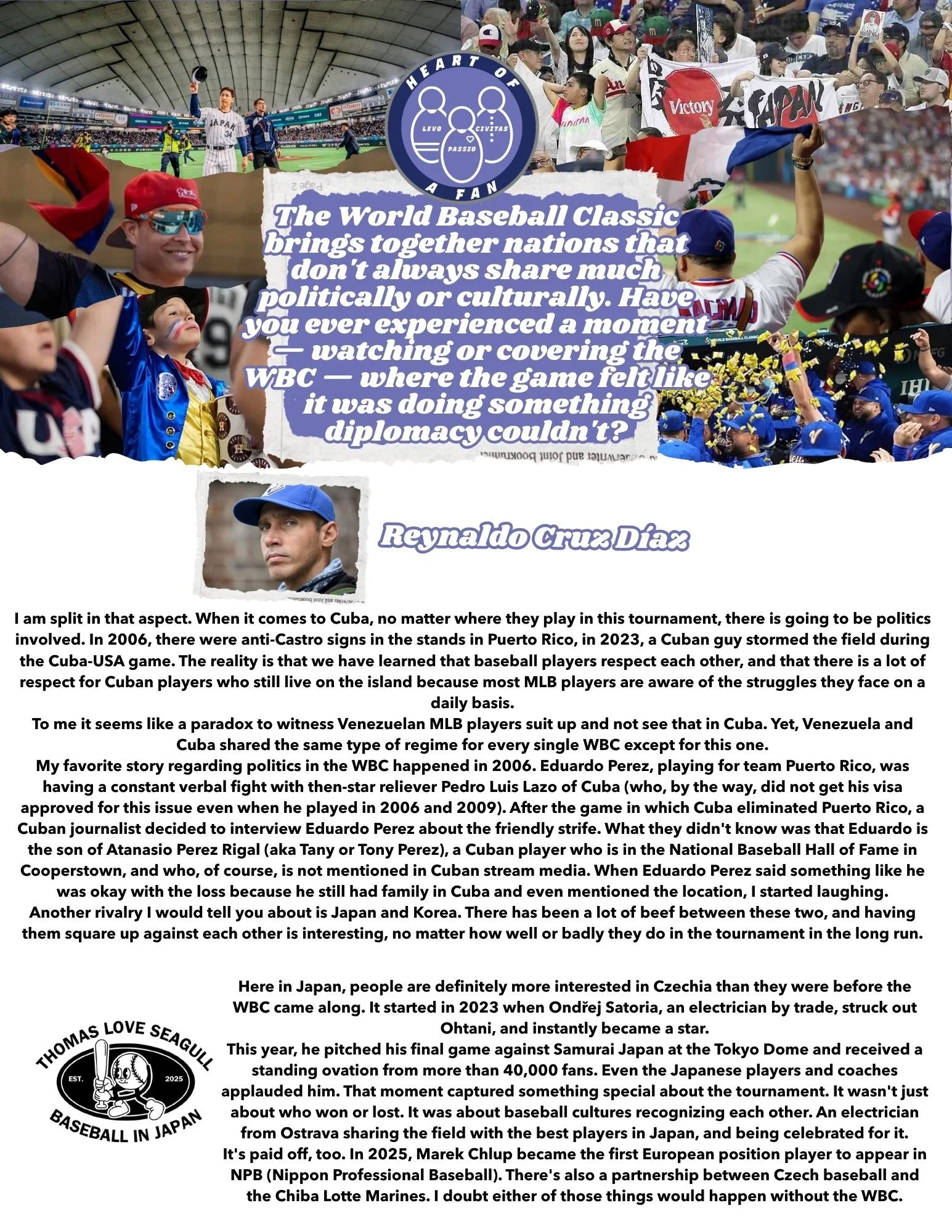

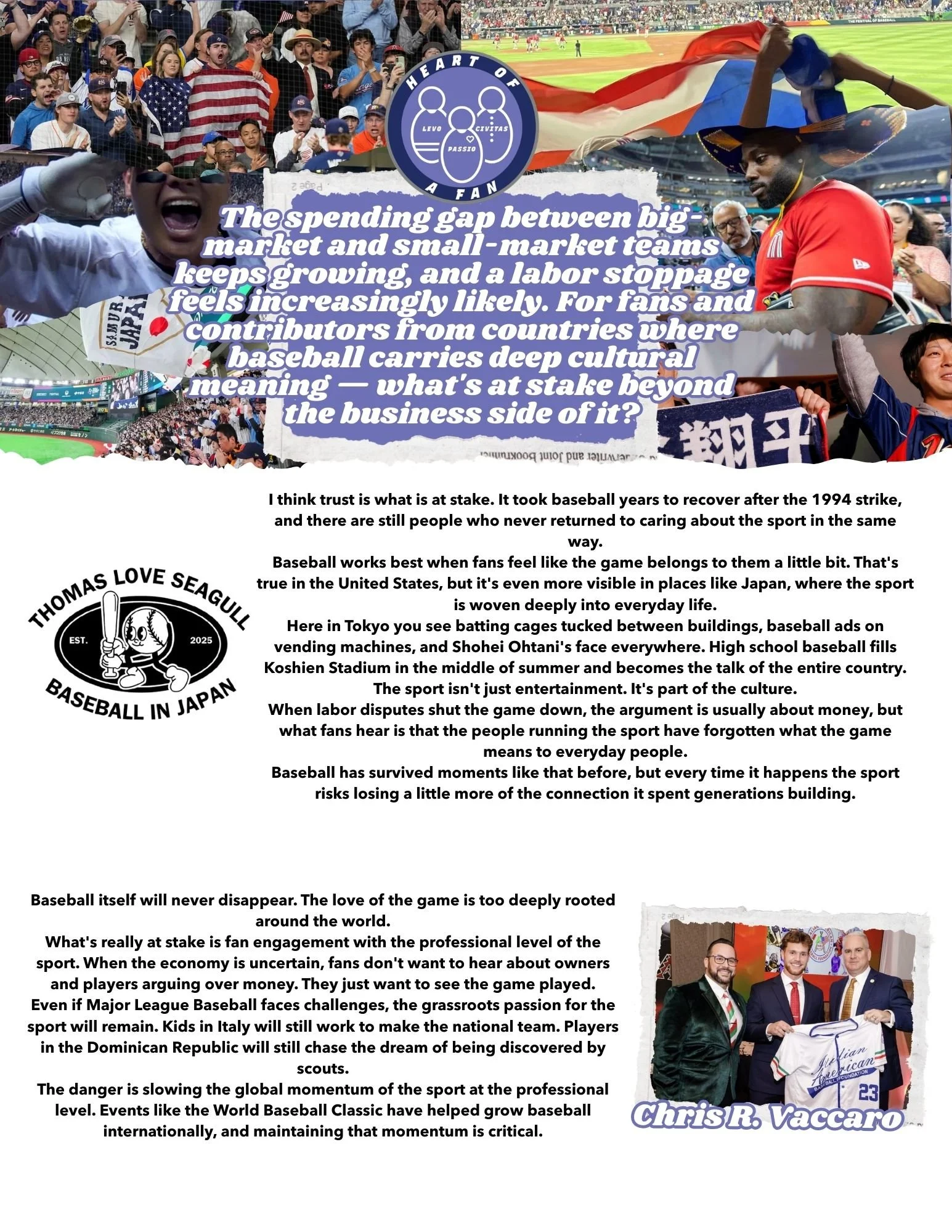

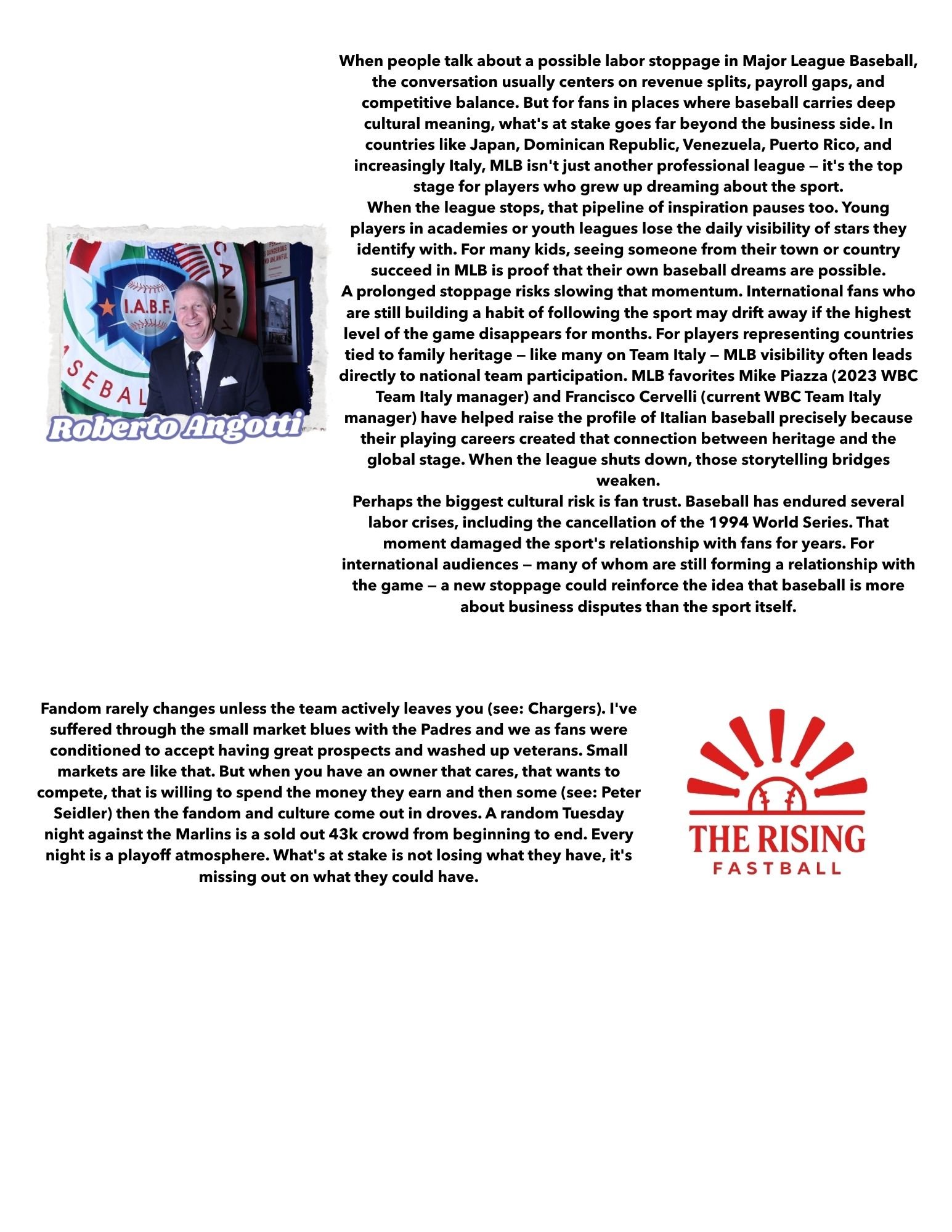
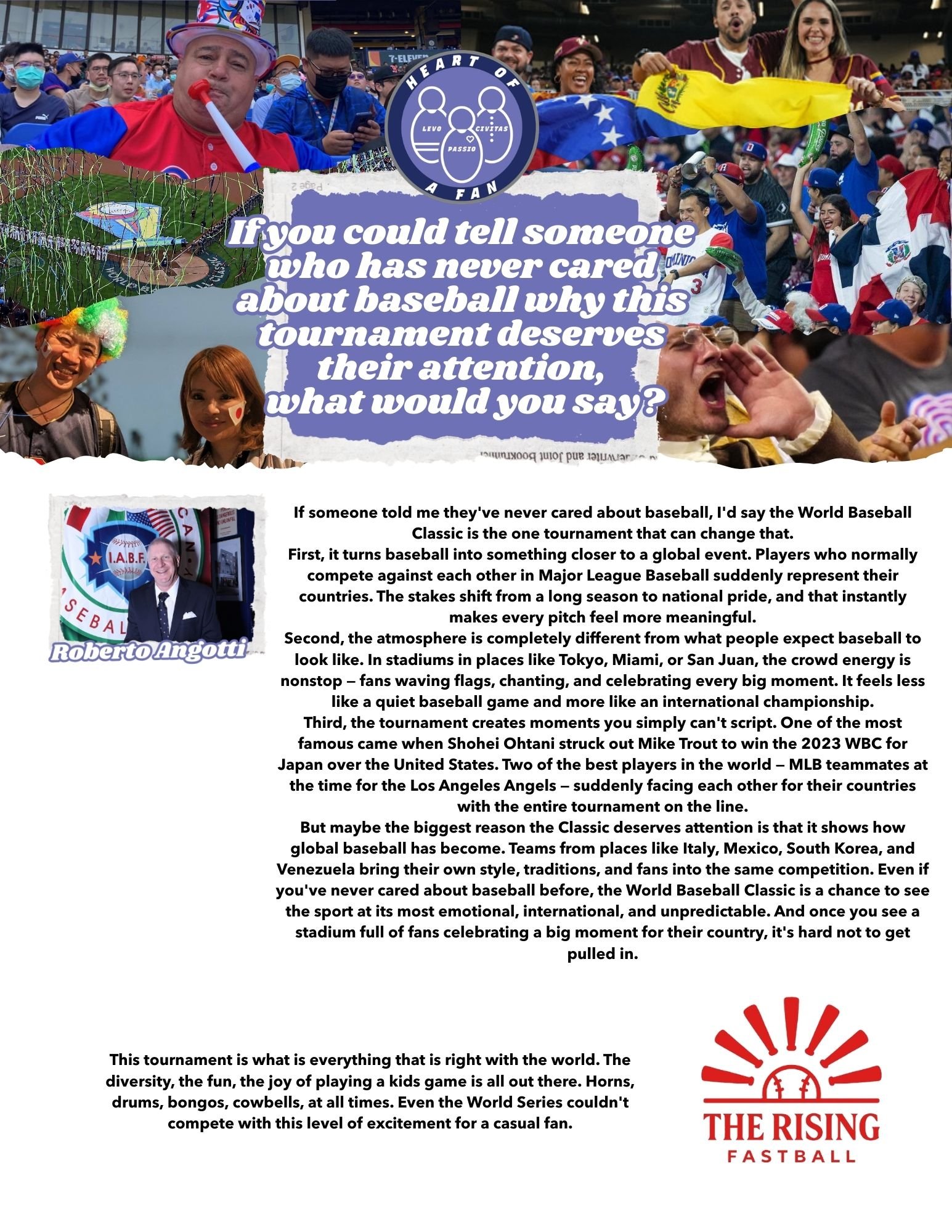

The emotion of "joy" has been thrown around a lot the last couple weeks, the fullness of it all and the lack thereof. Simultaneous praise and critiques of player celebrations, dugout celebrations, even fans reactions have been put under the microscope of geopolitics and culture.
The United States, the proverbial birthplace of baseball, has been noticeably cold in their play. In a sport that has been critiqued for being sterile and antiquated, the U.S. has enforced that belief. Fans start to believe that this is just the standard experience that should come with the game. You want some whimsy with your baseball? Go watch the Savanah Bananas.
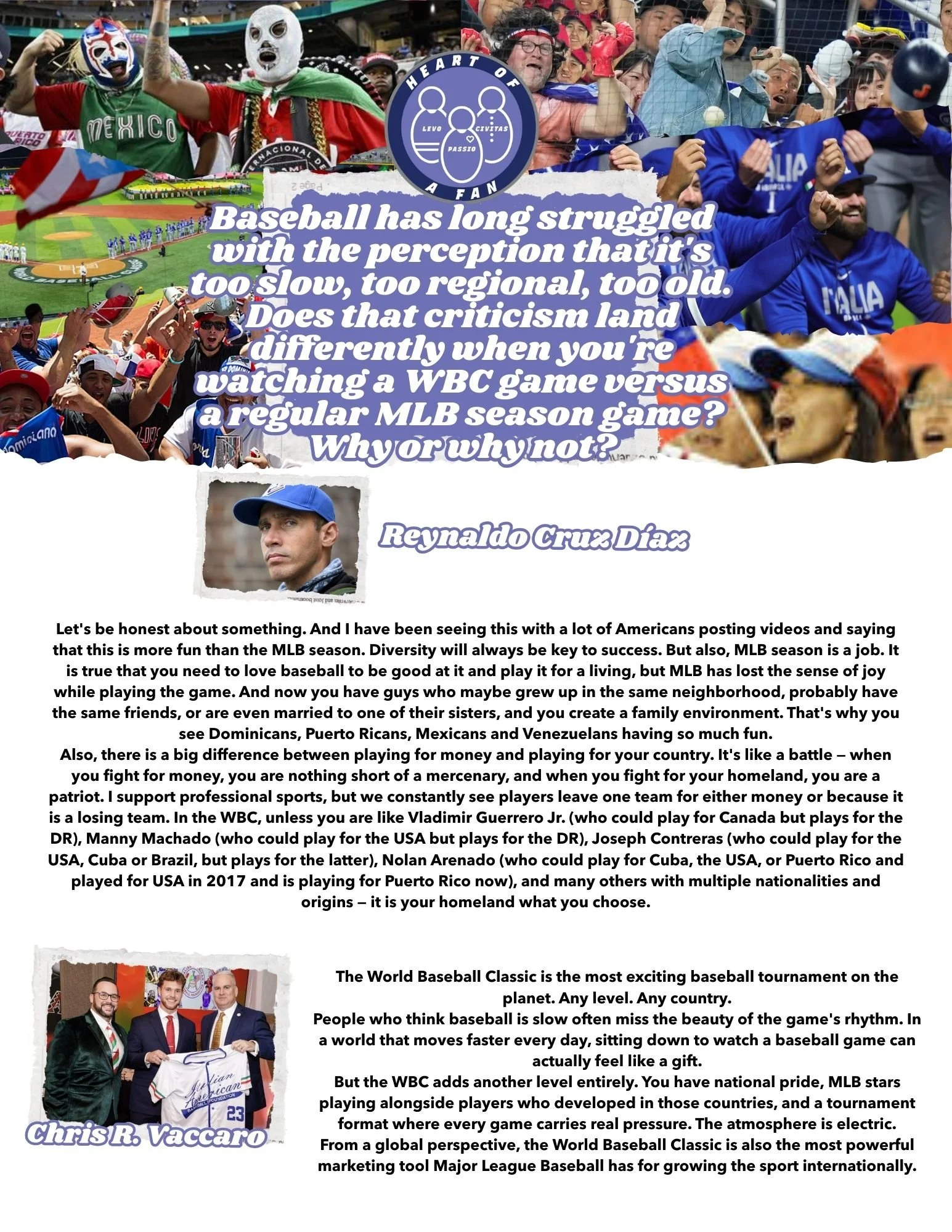
On the other side of the aisle, however, is a different expression of what the game and sports in America could be. Full bands in stands, synchronized dances, grandiose celebrations on the field. The languages may differ but the thread remains the same: genuine joy. Joy for the ability to play the game and joy for the ability to witness it.
Now, I don’t think anyone expects an atmosphere like we’ve seen these last couple weeks for a game in May. Nor would they expect the traveling bands and synchronized chants that would make Michael “Nuf Said” McGreevy blush. However, there is one thing that can be replicated and fostered from this tournament: communal fun.
Sports fans have become incredibly aware of their role in their relationship with their team. They have to foot the bill for multiple areas to showcase their fandom, and the teams take the money to hopefully build a product worth of that investment. Sadly, that hasn’t been the case for multiple fanbases. Yet, as the fans of Japan, the Dominican Republic and countless others have shown, is that the biggest investment fans can make is in themselves and their joy.
The fans weren’t as tied up in the results of their team, as they were more focused on reveling in the experience with their fellow fans. How many examples have we seen of fans from different nations taking part in impromptu chants and last second dance parties these last weeks? Simply by just making the environment available, and letting the fans make their fun, has led to an atmosphere that has been hard to replicate.
That should be the key lesson that fans and teams can learn from this WBC. Fun doesn’t need to be forced, it just needs to be natural. By letting the fans play a role in that fun, you’ll get something that’s going to truly reflect your community and culture, similar to what we’ve seen in the last weeks.